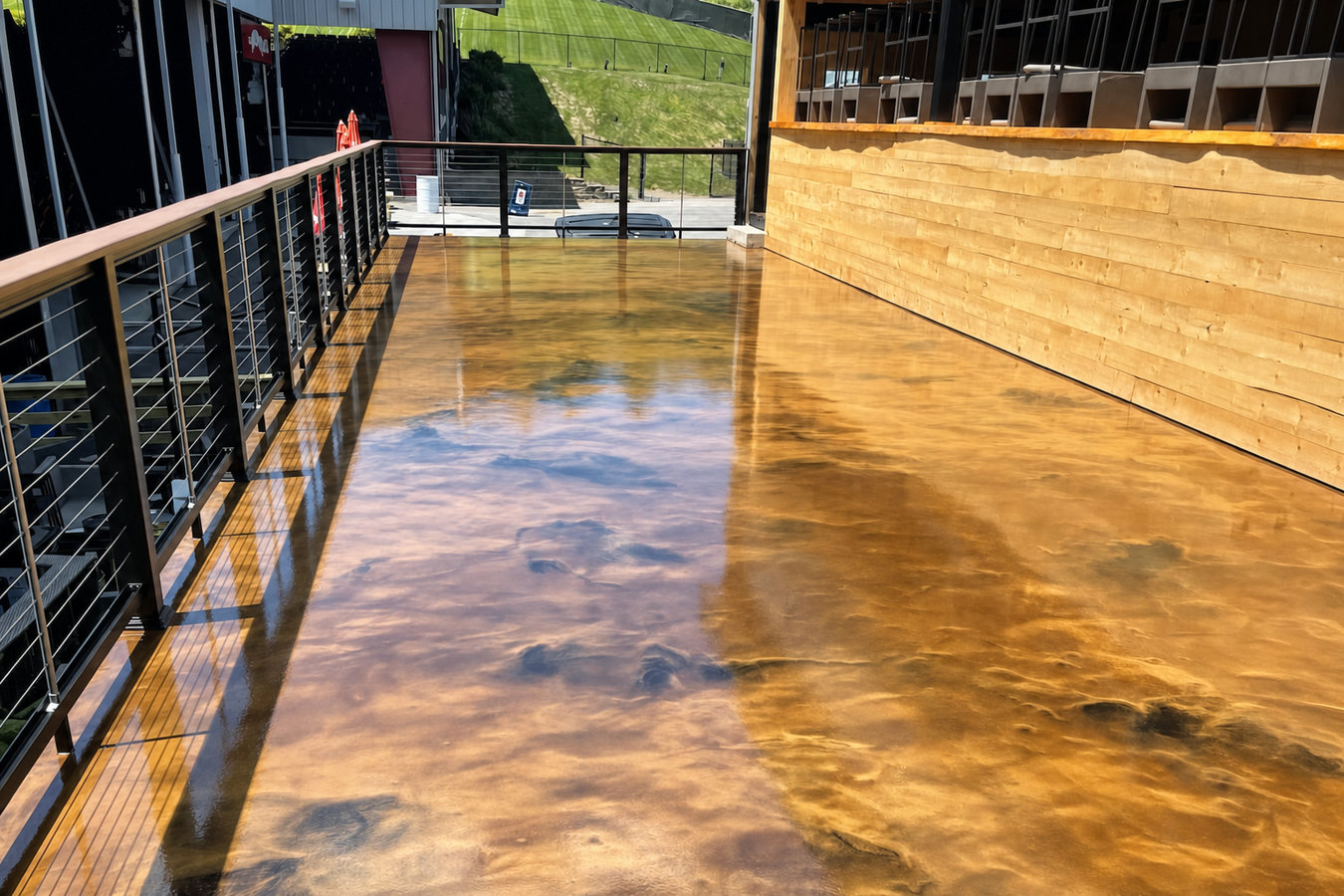
Midlothian is one of the faster-growing cities in the Dallas-Fort Worth area, with a population that has more than doubled since 2010. That growth has brought a wave of new residential construction across multiple subdivisions - and it has also meant that Midlothian now has a housing stock split between newer homes built in the last 20 years and older homes closer to the original downtown area that were built in the 1970s and 1980s. Both categories share one thing: they sit on the heavy black clay soil that defines this part of Ellis County. According to Texas A&M AgriLife Extension, this soil swells when it gets wet and shrinks when it dries out, and that cycle puts constant stress on concrete slabs, driveways, patios, and sidewalks regardless of how recently the concrete was poured. Even a home built five or ten years ago in one of Midlothian's newer subdivisions can show cracking in flatwork because the soil underneath is active.
Midlothian also sits in the part of North Texas that sees severe spring thunderstorms on a regular basis. Heavy rain, hail, and the high volumes of water that come with those storms can overwhelm drainage around homes, pooling against foundations and working into any concrete that has even small cracks. Midlothian summers are long, hot, and humid from June through September, which accelerates surface degradation on unprotected concrete and breaks down sealants faster than in cooler climates. The February 2021 winter storm was a reminder that the area is not immune to hard freezes either - concrete with existing small faults cracks further when water inside those cracks freezes. A contractor working in Midlothian has to account for all of those conditions when evaluating a slab and recommending the right coating or repair approach.